By Sara Amundson and Kitty Block
The Endangered Species Act, a landmark law for the protection of wildlife, is under attack. In late March, the Trump administration convened the federal Endangered Species Committee for only the fourth time in its nearly 50-year history. Under the law, the Committee has the extraordinary power to grant case-by-case exemptions to the protections of the Endangered Species Act— in essence, the authority to decide that a project should be allowed to proceed despite jeopardizing the very existence of an endangered species.
The Committee, dubbed the “God Squad” by some, is seldom convened because Americans place tremendous value on the protection of listed species, and because practical alternatives that do not risk their survival are almost always available.
Yet last month, its members took less than 15 minutes to grant sweeping exemptions under the law, relieving oil and gas companies operating in the Gulf of Mexico from any further burdens of caution or prudence regarding the protection of whales, turtles or other wildlife. The move was exceptional not only because the Committee has so rarely been convened, but also because its members threw caution to the wind and exempted countless projects, any of which could spell extinction for imperiled species— a far cry from the case-by-case review contemplated by the statute.
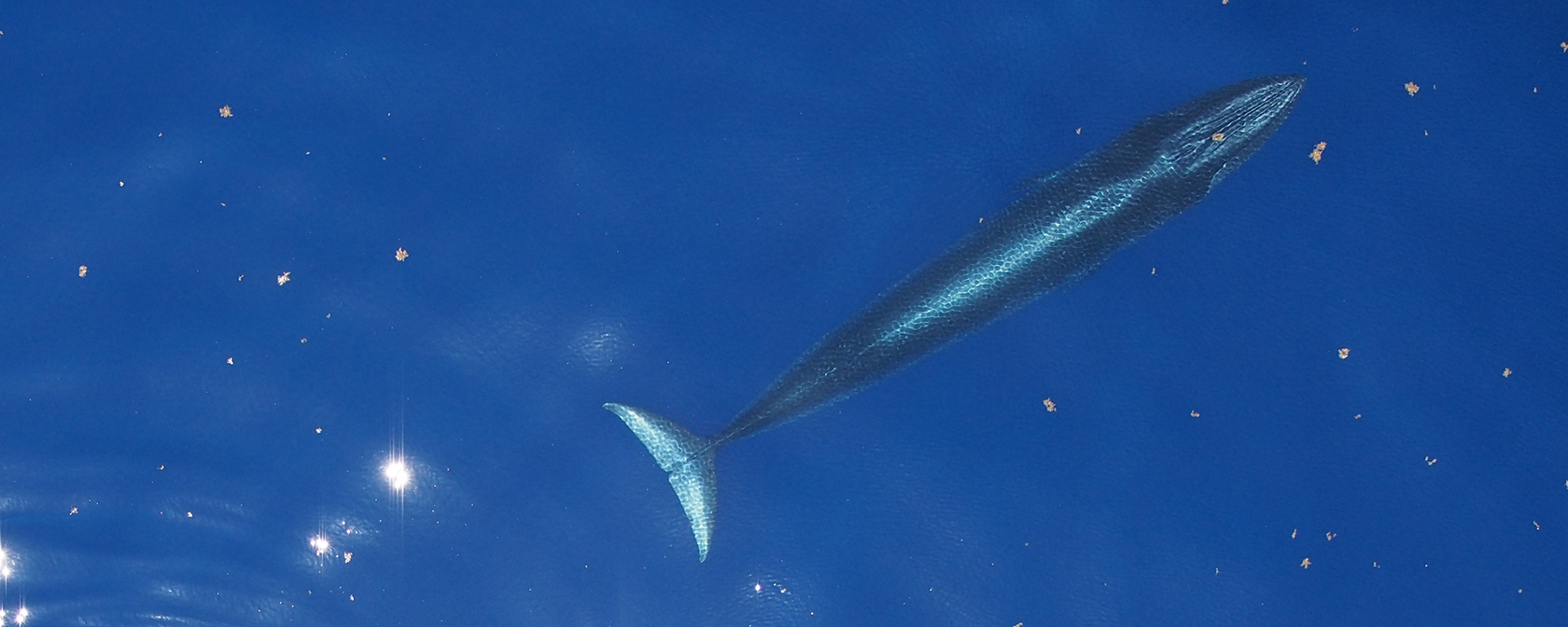
As a result, industry drillships and supply vessels may no longer be required to run at lower speeds to reduce the frequency of collisions with the Rice’s whale, one of the most endangered whales in the world, found only in the Gulf. There are just 50 or so of these majestic members of the baleen whale family, who grow to about 40 feet long and have distinctive ridges on the top of their heads. Their population collapsed precipitously following the 2010 Deepwater Horizon explosion and the catastrophic marine oil spill that followed.
This nearly unprecedented decision by a committee which last met in 1992 is part of a wider campaign to destroy the few existing protections there are for endangered and threatened wildlife species, especially the Endangered Species Act.
A dangerous attack on the ESA has now emerged in the U.S. House of Representatives, too, in a bill introduced by the House Natural Resources Committee chair, Rep. Bruce Westerman (R-AR). Westerman’s bill, the ESA Amendments Act of 2025 (H.R. 1897), doesn’t have a catchy congressional acronym in its title, but it’s properly numbered, because its passage would set wildlife protection back well over a century.
The bill’s preamble says it will “optimize conservation through resource prioritization, incentivize wildlife conservation on private lands, provide for greater incentives to recover listed species, create greater transparency and accountability in recovering listed species, streamline the permitting process, eliminate barriers to conservation, and restore congressional intent.”
In reality, it’s a full-scale assault on the cornerstone of American species protection for the last 53 years.
Among other things, H.R. 1897 would:
- drag out the timeline for securing a species’ protection to 5 to 10 years
- expand the power of the U.S. Fish and Wildlife Service to reject the designation of unoccupied areas as critical habitat
- shift responsibility for key implementation decisions to state agencies poorly equipped for that ro
- replace U.S. review of imports of sensitive species with weaker international treaty standards
- hamper FWS’s ability to effectively protect threatened species, and
- preclude judicial review of key decisions
This bill is also a trophy hunter’s dream and a nightmare for imperiled species across the globe. Not only would it incentivize increased trophy hunting by making it easier for hunters to bring their kills back to the United States, but it would effectively repeal regulations intended to protect African elephants and lions. This is just one example of the way in which the weakening of domestic legislation in the U.S. can have far-reaching implications for other nations.
Save the Endangered Species Act >>
Attacks on the ESA are not new, and yet, it is true that for a decade or so now the law has become the focused target of an intense, deliberate and far-reaching assault, plotted out in corporate boardrooms, federal agencies and congressional committees. It is deeply saddening to see so many elected officials leading the drive toward animals’ extinction by intentionally killing off a remarkable legislative achievement that has ensured the survival of hundreds of species since its passage in the 1970s and has brought a number of species back from the brink, setting a standard for deliberation over the protection of many others.
The indisputable truth is this: We need the ESA more than ever. Whether the harms are caused by poaching, habitat loss or industry action aided and abetted by government, the effect is the same for the species involved. In the same vein, those of us who care must do our best to confront every threat of this kind, whether it comes from a biased committee in the executive branch or a zealous faction in Congress.
Kitty Block is CEO and president of Humane World for Animals.