By Sara Amundson and Kitty Block
For the 190 million animals used in testing and research each year around the world, the shift to non-animal methods cannot come soon enough.
We have always been determined to see a day when elected officials, heads of major government agencies, and the leaders of scientific institutions and corporations came around to the position we have held for a long time:
That we need not rely on animals to gauge the safety of chemical and pesticide products.
That society owes it to animals to do all that it takes to spare them from the pain and suffering that animal tests can cause.
Our heads and our hearts told us that one day our view would become the standard.
At last, that day is here.
Here’s the latest: Earlier this month, the European Union published a roadmap for accelerating the pace of efforts to phase out animal testing for chemical safety assessments.
In the U.S., over the past few years, key agencies—such as the National Institutes of Health, the Food and Drug Administration and the Environmental Protection Agency—are moving into stronger alignment on adopting non-animal methods. On June 2, the EPA announced its plans to update its list of cutting-edge new approach methods, ones that are in important respects superior to animal tests. The use of non-animal methods for chemical assessments under the Toxic Substances Control Act and Federal Insecticide, Fungicide, and Rodenticide Act will make for better science and better human health and safety outcomes.
Simultaneously, the EPA has introduced a streamlined process to enable researchers, companies, and other parties to propose specific non-animal methods for use in pesticide and chemical assessments.
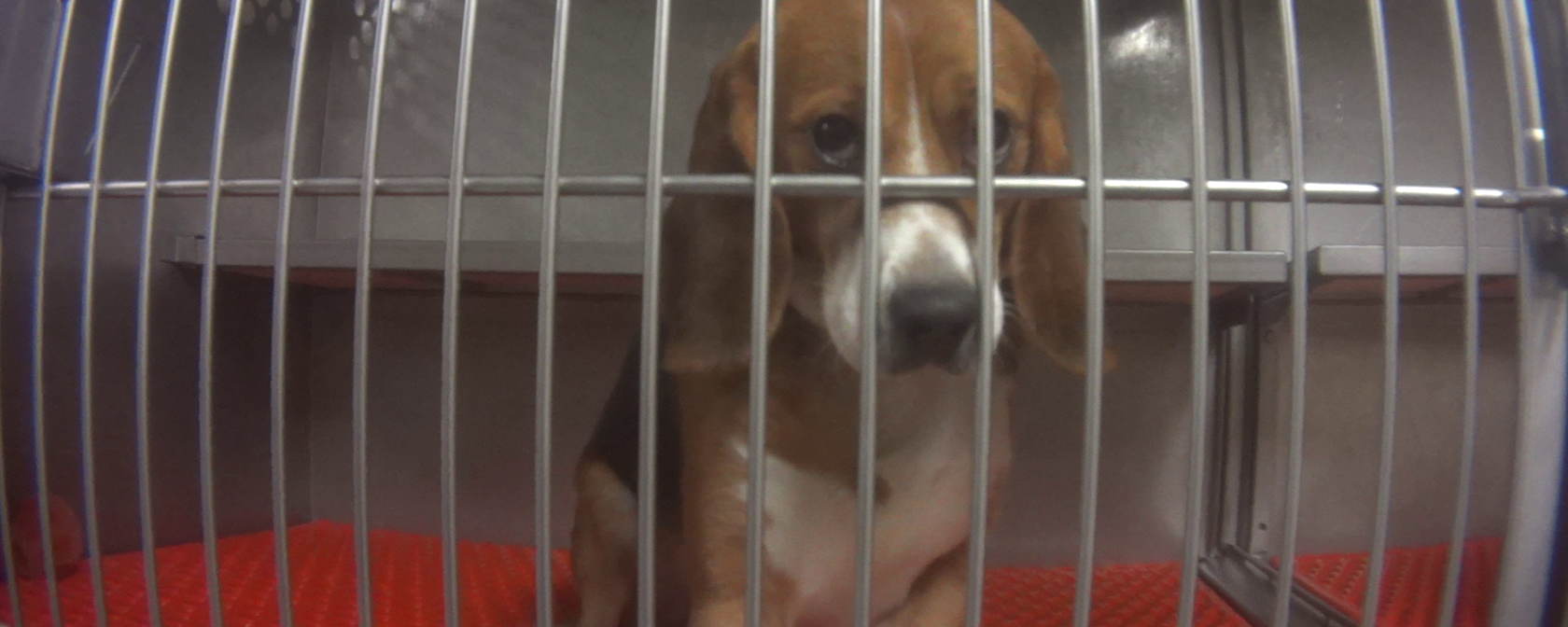
The shift to non-animal methods is also being reinforced through congressional action. The EPA’s announcement coincided with the release of the House Appropriations Committee’s FY 2027 Interior-Environment Appropriations package, which expressed clear support of the EPA’s ongoing efforts to reduce animal testing. The bill includes first of its kind language to prevent the use of dogs for pesticide and chemical testing.
This is a distinctly novel approach, as Congress has focused nearly all of its attention in recent years on animal testing conducted by federal agencies. In this instance, the House has indicated that the EPA should no longer accept data generated by chemical manufacturers via their own tests with dogs. These tests are not funded by the federal government itself but EPA regulations require the pesticide industry to conduct these tests and we urge EPA to eliminate this requirement once and for all.
The EPA has also been directed—through language in the House Committee’s report—to expand its efforts to reduce and replace the use of vertebrate animals in the testing of chemical substances with scientifically justified non-animal methods. This is consistent with the agency’s previously stated deadline to end testing on mammals by 2035. The committee report also encouraged the EPA to coordinate with other relevant federal agencies in implementing this phase-out to avoid duplication of efforts and resources.
We are urging the administration and Congress to establish an interagency task force to accelerate the transition to non-animal methods, share resources and best practices across agencies and provide clear direction to regulated industries. That task force should include the EPA, the FDA and the NIH, because, together, their influence in the U.S. and worldwide will be decisive in bringing an end to a difficult chapter in the history of our relationship with animals.
We will all be better off for it.
Tell the EPA: End tests on dogs and other animals! >>
Kitty Block is president and CEO of Humane World for Animals.