By Sara Amundson and Kitty Block
“Harm” is not just a word. When it comes to the Trump administration’s wildlife policies, it’s the defining word.
For more than half a century, the Endangered Species Act has helped save wildlife in large part because it protects the habitats animals need to survive. Last week, the Trump administration issued a rule changing a regulatory interpretation of the word “harm” in the Endangered Species Act that has been essential to its function.
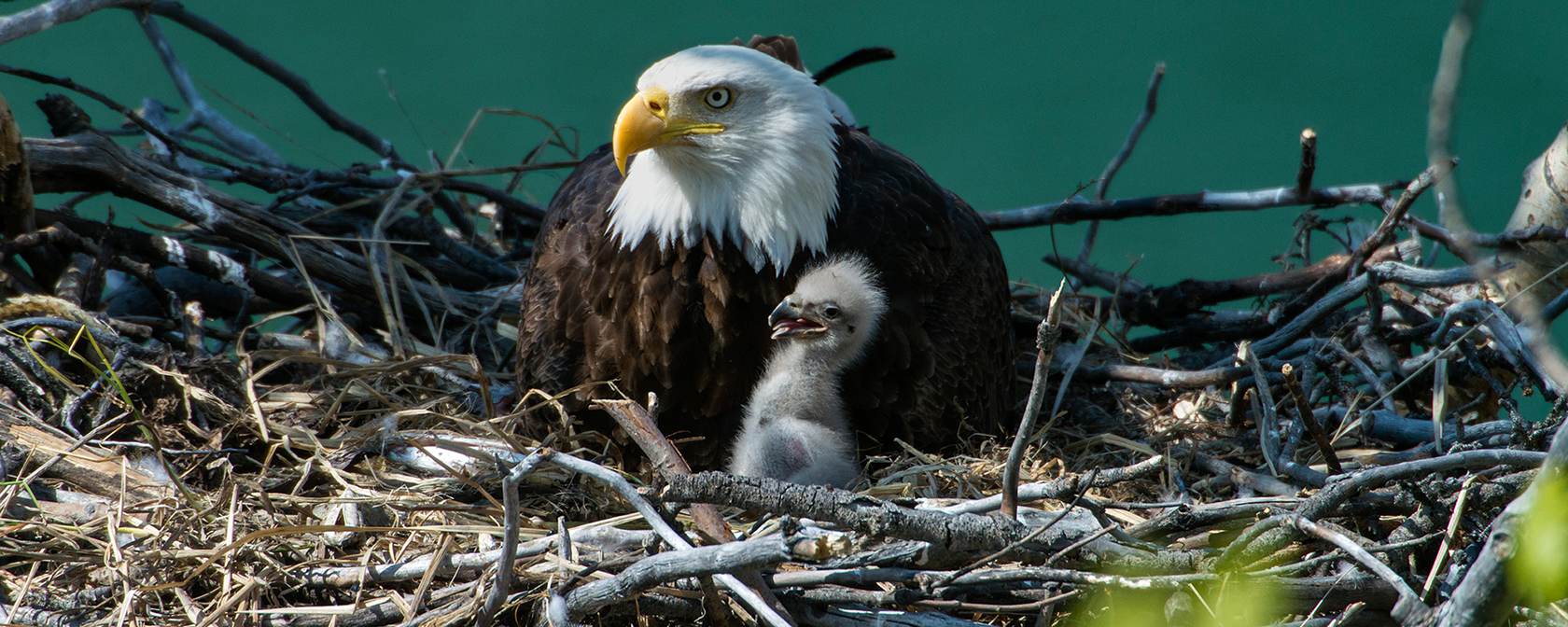
Claiming the law's protections remain intact while stripping away habitat protections under the “harm” rule is like saying a house is secure after you've removed its foundation. Habitat protection is species protection, and that's why the Endangered Species Act has been responsible for America's greatest conservation success stories, saving species from the brink of extinction, including the bald eagle.
Abandoning a regulatory approach that has prevented the extinction of myriad species for nearly half a century, two cabinet secretaries, Doug Burgum (Interior) and Howard Lutnick (Commerce) have committed to a radically destructive approach to overseeing the Endangered Species Act.
Why now?
Since 1981, the U.S. government has relied on a definition of “harm” that broadly included destruction of wildlife habitat that actually kills or injures animals. This protection has been critical because habitat destruction is a primary driver of species loss not just in the United States, but worldwide.
In choosing to abandon this approach, Burgum and Lutnick didn’t offer a new definition of harm. Instead, they moved to undermine the protections of the Endangered Species Act by appearing to narrow the scope of actions the Act’s regulations forbid, thereby turning a blind eye to the true cost of habitat loss.
This kind of parsing is a farce, and in doing so they haven’t just scrapped a rule—they’ve scrapped the truth. And in an era of rapidly accelerating species loss tied directly to habitat degradation and destruction, “harm” is just the right word to describe the unrelenting attacks that the executive branch and its allies in the U.S. Congress are carrying out against the Endangered Species Act and other wildlife protection measures.
Like the two cabinet secretaries, and many officials in the U.S. Congress, those who attack the Endangered Species Act frequently invoke the rights of landowners, fisherman, small businesses, farmers and ranchers, in an attempt to create the perception that one of the nation’s most widely supported laws causes great harm to ordinary Americans.
But Americans overwhelmingly support the Endangered Species Act, which consistently receives approval ratings higher than 80%.
The truth is that these agency maneuvers are being carried out in the interests of large-scale energy producers and resource extraction interests.
Drilling, mining and development interests appear to be the primary beneficiaries of this soulless decision.
We’ve seen this nightmare coming for several years.
The administration proposed this change last year, and Interior and Commerce also moved quickly to resurrect rules from the first Trump administration that purported to strip safeguards for plants and animals threatened by human development and a warming planet, attempting to allow listing, delisting and critical habitat determinations to assign weight to commercial and economic considerations.
In March of this year, with other high-ranking officials on the Endangered Species Committee (the so-called “God Squad”), Burgum voted to exempt oil and gas activities from Endangered Species Act requirements in the Gulf of Mexico.
It all comes back to harm. The harm this government has done to wildlife in two years. The harm that will come from each and every one of the administration’s hostile-to-wildlife positions. The harm to our sense of ourselves as people who love and care for wild spaces and the animals who make their homes in such places.
There is something deeply wrong with an administration so willing to trade away a legacy of concern for the environment that goes back decades. No matter what they say, the agency heads involved here are not ending years of federal overreach. They’re setting the stage for decades of corporate plunder and reckless exploitation of resources.
It’s especially nervy if not Orwellian on the part of the government to suggest that the harm rule is one that’s been weaponized. In fact, getting rid of it is part of the administration’s flagrant effort to weaponize the full force of the government against wildlife protections, across the board, and even across our borders, if we consider the global implications of some of the proposals our government has advanced in recent months.
This is a shocking abdication of leadership at key federal agencies with a statutory duty to protect wildlife under the Endangered Species Act, and it is a failure of government. It’s sad and disconcerting to think that the Trump administration has abandoned a rule that for years has made plain that the destruction of an endangered species’ habitat constitutes “harm” when it kills or injures members of that species.
Regardless of how “harm” is interpreted now, allowing habitat destruction will still be an abandonment of our collective obligations toward animals and the natural world. And we won’t let the U.S. government forget it. Or get away with it.
Protect the Endangered Species Act >>
Kitty Block is president and CEO of Humane World for Animals.